LAMOTT - Core Model Build
What's been happening
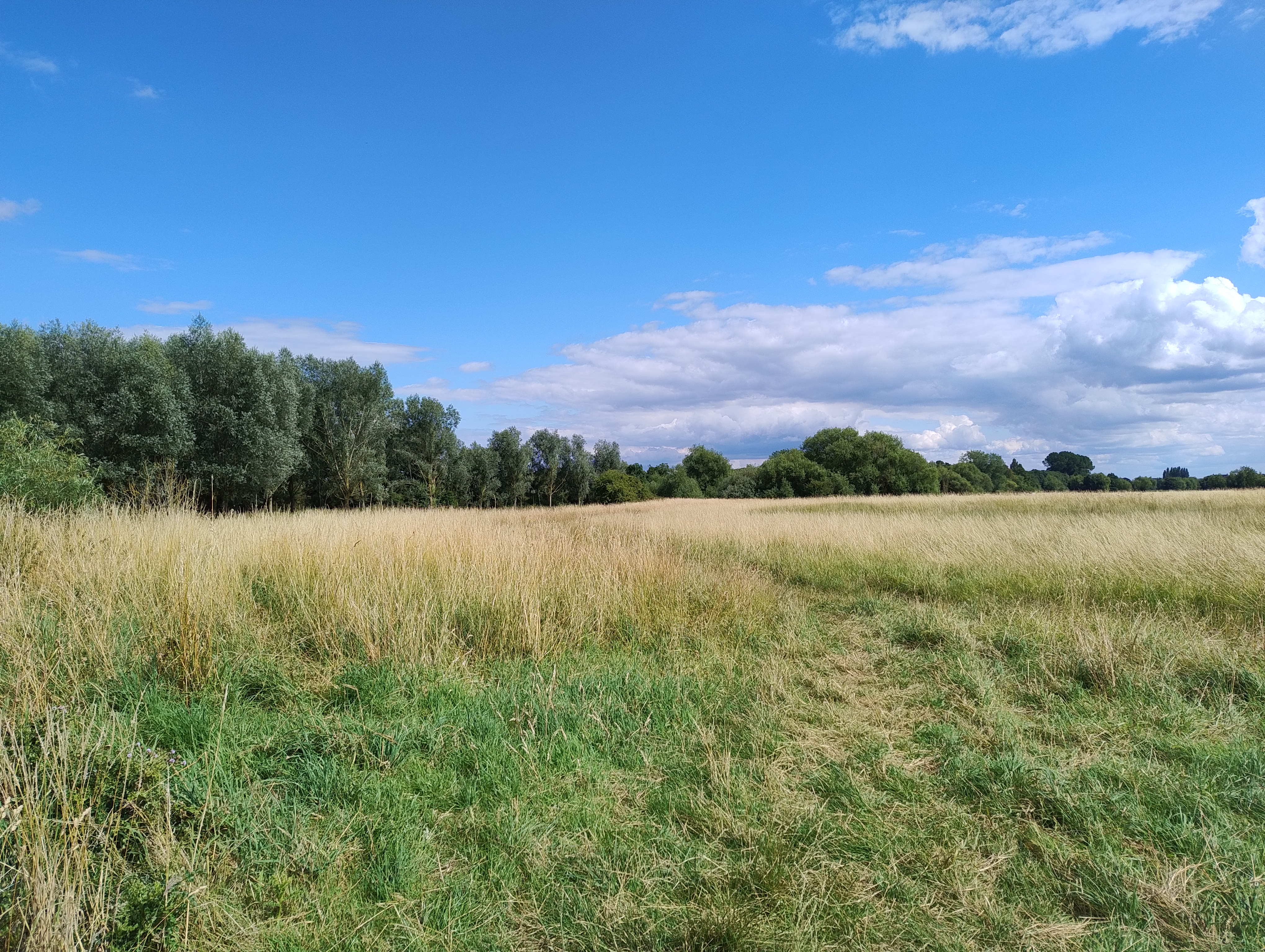
We are progressing nicely with the build of the core data management model that is central to the idea of LAMOTT, registering sites and their information. This update will show you what we have been working on and testing.
Please note this app is in development and there is a way to go on the user interface design.
Adding Sites
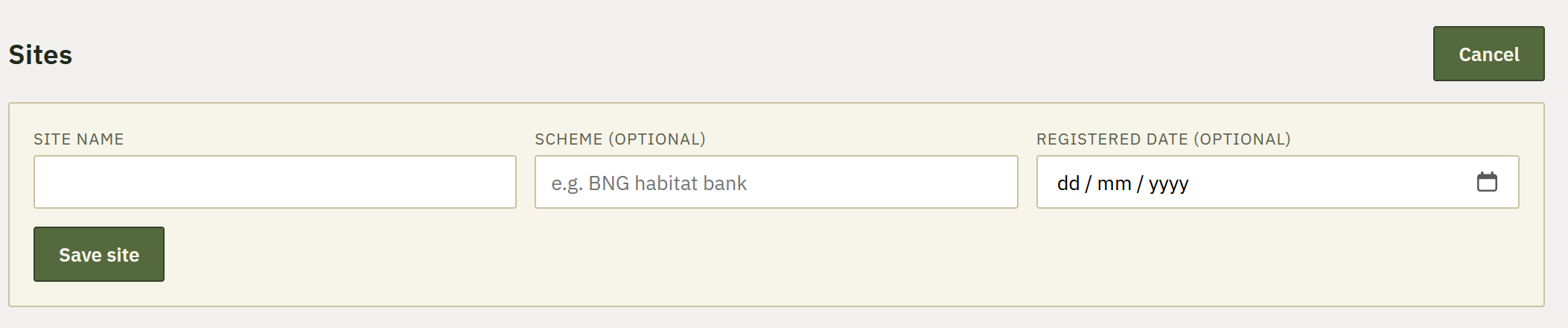
The first step of the data capture of site information, the sites themselves. Sites are added by name, scheme reference of your choosing and the date it was registered.
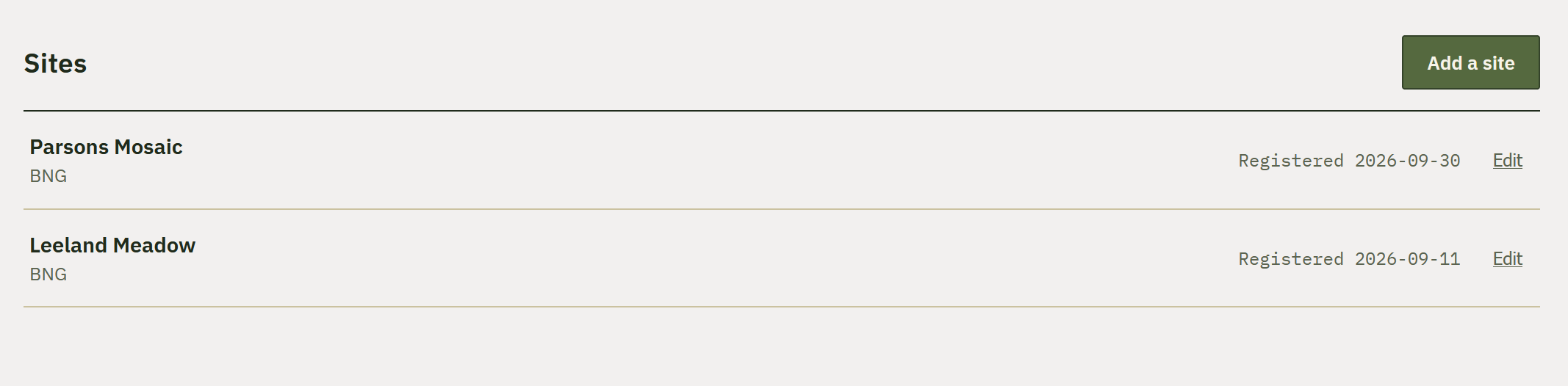
Sites are then added to a long list with the information present, which can be edited. The editing feature means it is also possible to add potential sites or sites that are in the process of being registered then update the information once they are formally in a scheme.
Adding Parcels
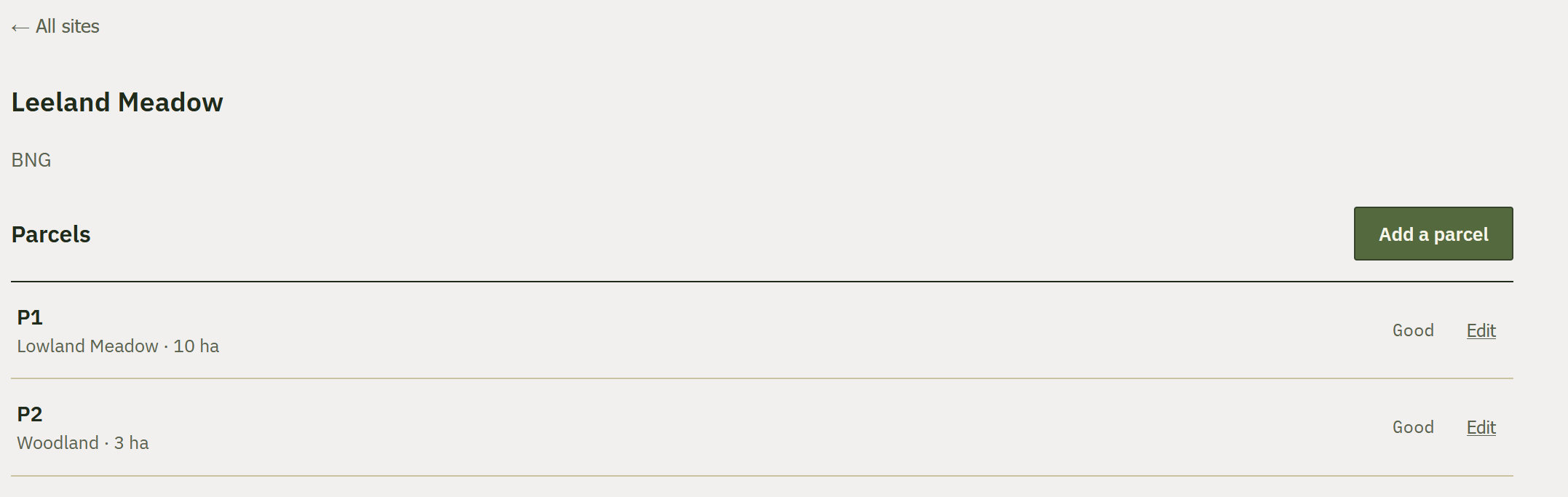
Once you have added a site, then you can click it to move down a level into adding parcels to that particular site.
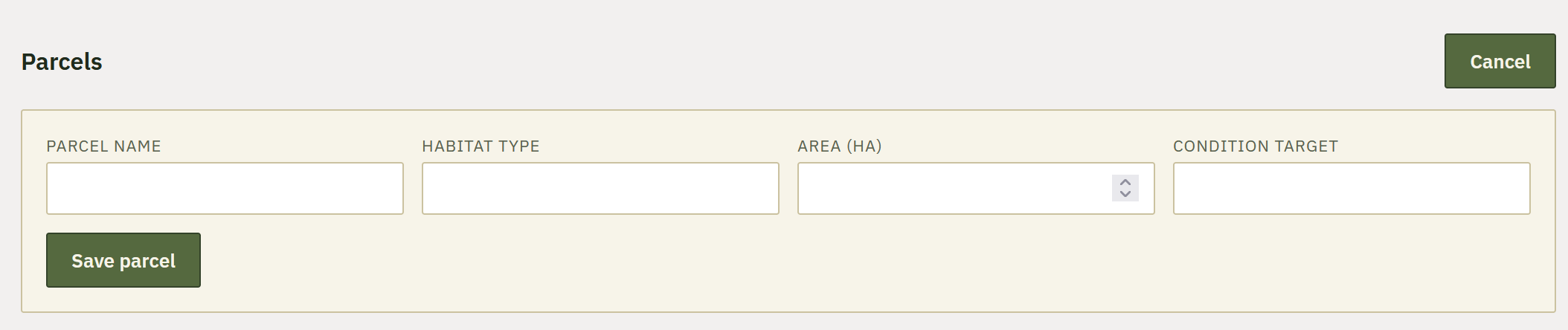
Parcels are the different land areas that you are putting under a scheme. You give each parcel a name (or ID); log the habitat type, for example, an area of lowland meadow, broadleaved woodland, pond; add the area; and finally set the condition target for that parcel. As with sites, information can be edited at a later date.
Adding Obligations
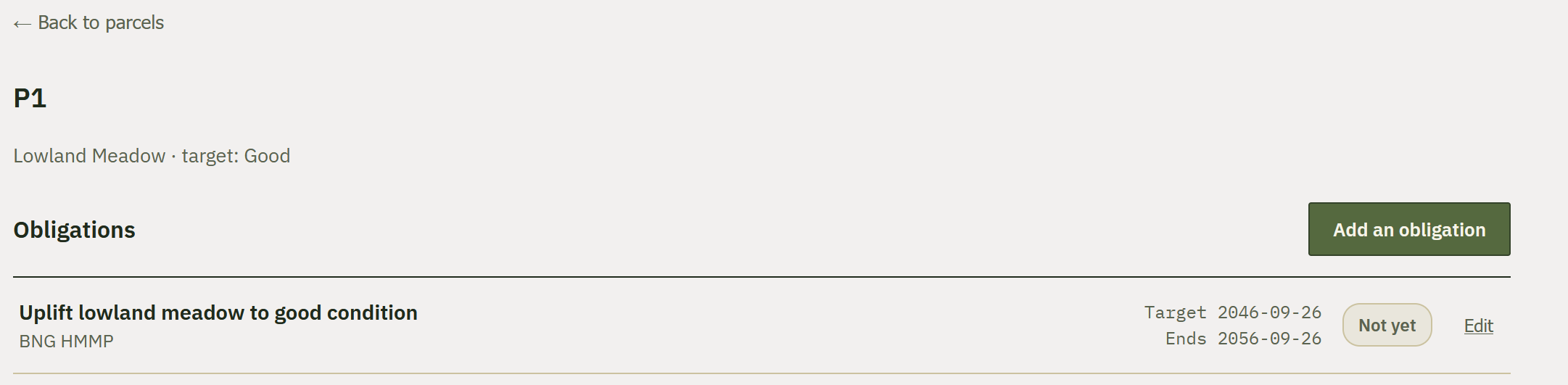
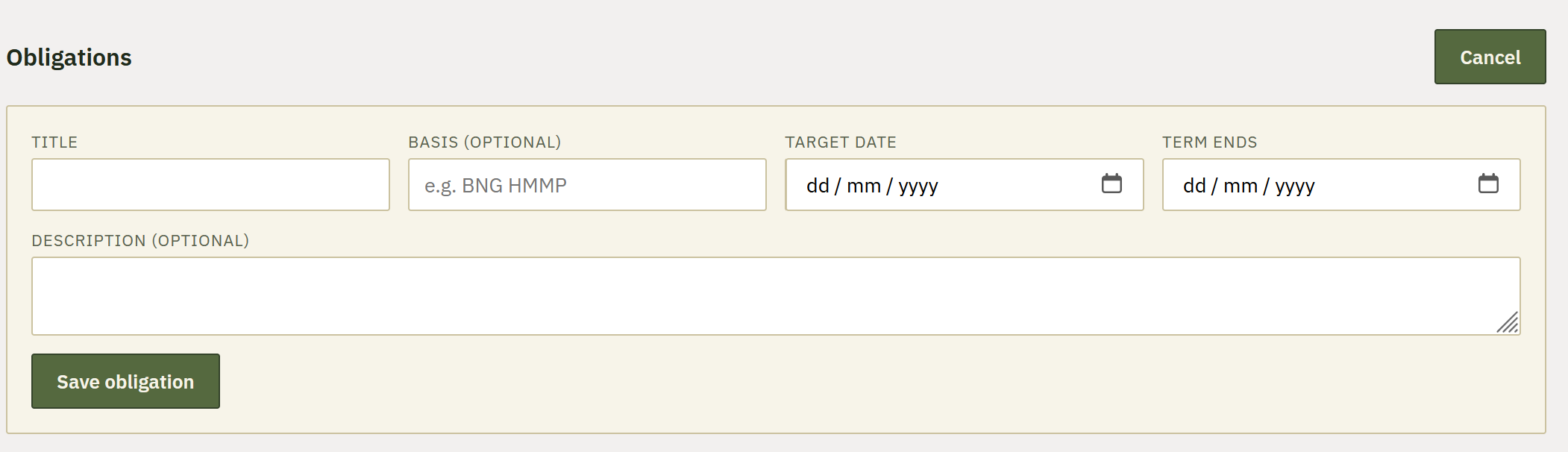
One of the key elements of the model is adding obligations. Obligations are what you are committing to as part of a nature finance scheme. Be it uplifting meadow condition, planting new woodland, or restoring a wetland, this section of the tool is critical to ensuring you keep a track of what has been committed to, to what level, and by when. The flexibility allows for use across different nature finance schemes such as BNG, Woodland Carbon, Countryside Stewardship, or private corporate financing.
Risks
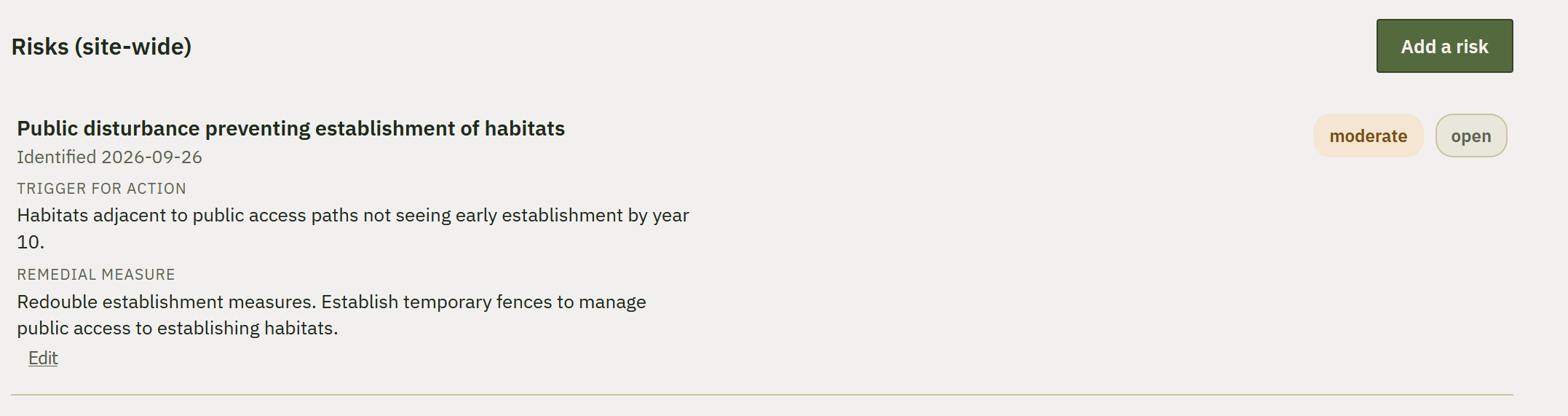
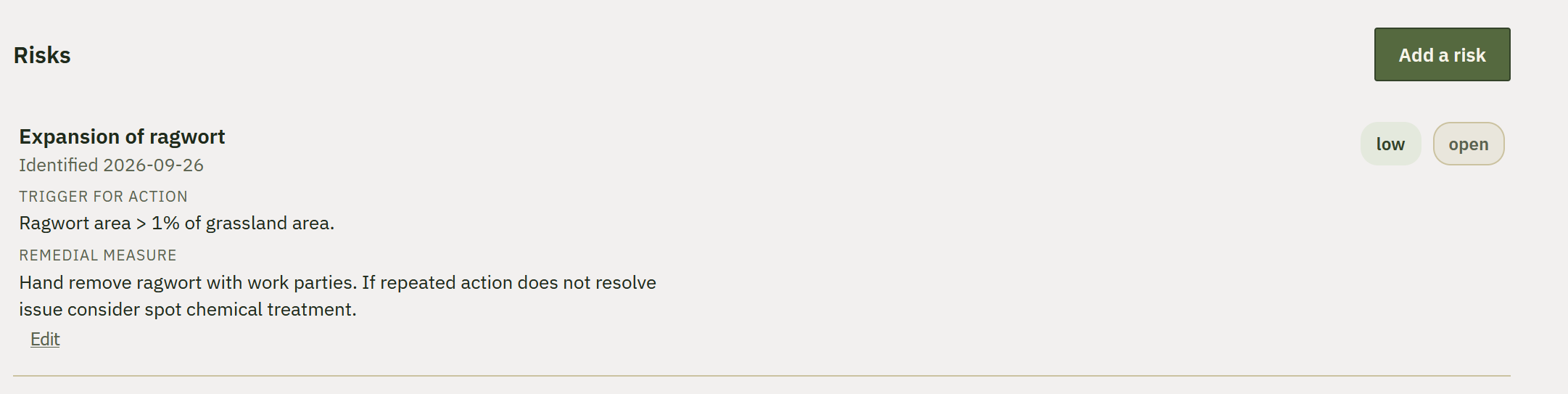
Risk management is an important aspect of delivery and LAMOTT seeks to keep those risks present when tracking delivery. Risks are present at the site level as well as the individual parcel, so it is important to track at both levels the different scale. Through the lifetime of the project, new challenges and risks to the successful delivery of obligations will appear. This system allows risks to be continually added and adjusted in their impact throughout the timeline of the scheme.
Thanks for reading!
Lewis @ lamott.app
Questions? please get in touch on our contact page
Feedback? We love to receive it, please fill this quick form here
Get updates